How to Care for Waterproof Jewellery: The Complete Guide

How to Care for Waterproof Jewellery
Your complete guide to keeping waterproof pieces looking brand new. Practical cleaning tips, smart storage tricks and the mistakes most people make.
In This Guide
Your Jewellery Deserves Better
So you have invested in waterproof jewellery. Smart move. But here is the thing most people get wrong: waterproof does not mean indestructible. Knowing how to care for waterproof jewellery is the difference between pieces that look stunning five years from now and pieces that lose their shine after six months. This guide covers everything you need to know, from daily habits to deep cleaning, so your favourite waterproof earrings and necklaces stay looking absolutely flawless.
We get it. The whole appeal of waterproof jewellery is that you can wear it everywhere without worrying. And that is true. You can shower in it, swim with it, work out wearing it. But a little bit of care goes a ridiculously long way. Think of it like a good pair of leather boots. They are built to handle the rain, but you still wipe them down and condition them now and again.
The good news? Caring for waterproof jewellery is incredibly simple. It takes about two minutes a week, and the payoff is jewellery that genuinely looks new for years. Not "pretty good for its age" new. Actually new. Let us walk through everything step by step.
What Actually Makes Jewellery Waterproof?
Before we get into how to care for waterproof jewellery, it helps to understand what makes it different from regular pieces. Not all "waterproof" jewellery is created equal, and knowing what yours is made from changes how you should look after it.
Most high quality waterproof jewellery uses one of three approaches:
PVD Coating is the gold standard (literally). Physical Vapour Deposition bonds a thin layer of material to the base metal at a molecular level. It does not just sit on top like traditional plating. It becomes part of the metal. This is why PVD coated jewellery is so much more durable than regular gold plating. The coating resists scratches, tarnishing and water damage in ways that traditional plating simply cannot match.
Gold Filled jewellery uses a thick layer of real gold that is mechanically bonded to the base metal using heat and pressure. We are talking about a gold layer that is 50 to 100 times thicker than standard gold plating. That thickness is what gives it serious staying power against water, sweat and everyday wear.
Stainless Steel is naturally water resistant thanks to its chromium content, which forms an invisible protective layer on the surface. It will not rust, tarnish or react with water. You can learn more about keeping steel pieces pristine in our guide on how to clean stainless steel jewellery.
Your Daily Care Routine
The best care routine is the one you actually stick to. And this one takes less time than brushing your teeth. Here is what to do every day (or at least every couple of days) to keep your waterproof pieces looking their best.
After wearing: Give your jewellery a quick wipe with a soft, lint-free cloth. This removes body oils, traces of perfume, moisturiser residue and any surface dirt that has built up during the day. A microfibre cloth works perfectly. Keep one on your bedside table so it becomes second nature when you take your jewellery off at night.
After water exposure: Yes, your jewellery can handle water. But minerals in tap water and chlorine in pools can leave deposits on the surface over time. After swimming or showering, just rinse your pieces briefly under clean running water and pat them dry. Two seconds of effort, months of extra shine.
After exercise: Sweat is surprisingly acidic, and while waterproof coatings handle it well, letting salt residue sit on your jewellery for hours is not ideal. A quick rinse and dry after your workout keeps everything in top condition.
The secret to jewellery that lasts is not complicated care. It is consistent care. Two minutes a day beats a deep clean once a year.
This daily routine is especially important for pieces you never take off. If you are someone who sleeps in your name necklace or keeps your earrings in 24/7, a regular wipe down prevents buildup that can dull the finish over time. It is the simplest habit that makes the biggest difference.

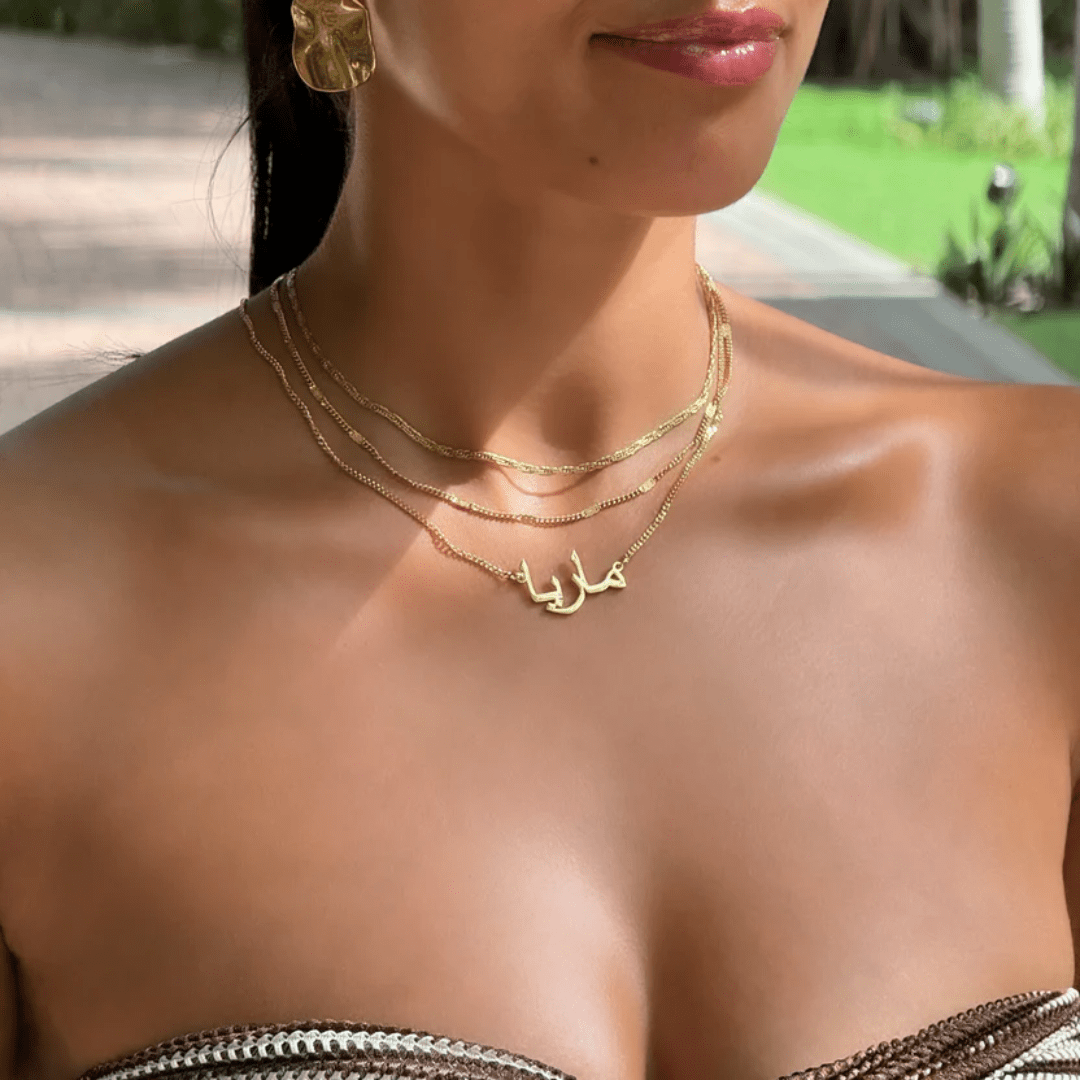
Astrid Name Necklace
Personalised, waterproof and designed for daily wear. The Astrid features PVD coating over stainless steel, so it handles showers, workouts and everything in between without losing its lustre.
From £58.95
Discover the Astrid


How to Clean Waterproof Jewellery
Beyond the daily wipe, your waterproof pieces benefit from a proper clean every week or two. Nothing complicated. Nothing expensive. Just a simple process that keeps them looking showroom-fresh.
This is the go-to cleaning method for all waterproof jewellery, and it works brilliantly every single time.
Step 1: Fill a small bowl with warm (not hot) water and add a tiny drop of mild dish soap. We are talking about a fraction of a drop. You want the water to feel slightly slippery, not bubbly.


Step 2: Place your jewellery in the bowl and let it soak for two to three minutes. This loosens any buildup in chain links, clasp mechanisms and textured surfaces.
Step 3: Use a soft bristled brush (a baby toothbrush is perfect) to gently clean around clasps, links and any detailed areas. For smooth surfaces, your fingers work fine.
Step 4: Rinse thoroughly under lukewarm running water. Make sure all soap residue is gone. Soap film left on jewellery can actually attract more dirt.
Step 5: Pat dry with a soft cloth and leave to air dry completely before storing. This last bit matters more than you think, especially for pieces with clasps or chains where water can hide.
If you notice a dull film that the basic wash does not shift (common if you wear jewellery in hard water areas), try this: mix equal parts warm water and white vinegar, soak for five minutes, then follow the standard cleaning steps above. The mild acidity of vinegar dissolves mineral deposits without touching the coating. Rinse extra well afterwards.
For pieces with gemstones or crystals, like a layered necklace stack, pay extra attention to the areas around stone settings. That is where grime loves to hide. A soft brush around the prongs keeps everything sparkling.

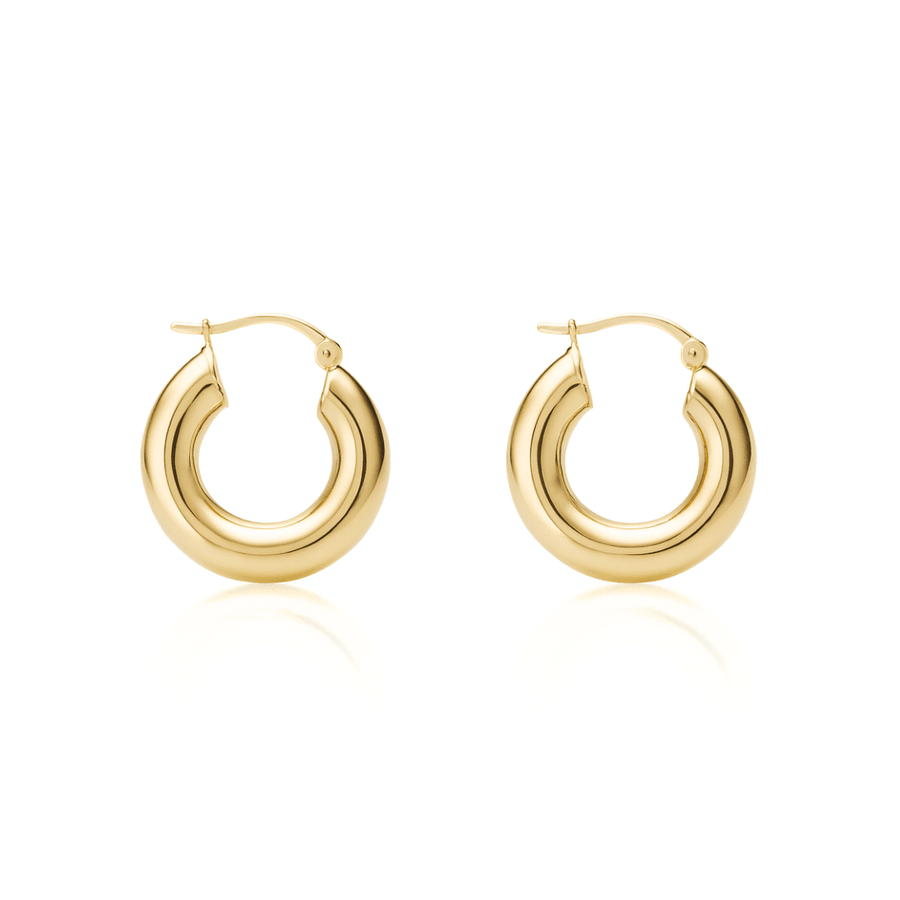
Classic Gold Filled Earrings
Made with genuine gold fill, these are built for the shower, the pool and everywhere else. The thick gold layer will not wear through with everyday use, making them the ultimate set-and-forget earrings.
From £25.95
Shop These Earrings


Smart Storage Tips
How you store your waterproof jewellery matters just as much as how you clean it. Good storage prevents scratches, tangling and unnecessary exposure to elements that can dull the finish over time.
Keep pieces separate. This is the number one storage rule for any jewellery, waterproof or not. When pieces rub against each other, they scratch. Even PVD coated pieces can develop micro-scratches if they are constantly knocking against other metal items. Individual pouches, separate compartments in a jewellery box, or even small ziplock bags work brilliantly.
Store in a cool, dry place. While your jewellery handles humidity during wear, storing it in a consistently damp environment (like a bathroom cabinet) is not ideal long term. A bedroom drawer or jewellery box away from direct sunlight is perfect.
Avoid airtight containers long term. This surprises people, but sealed containers can trap moisture and create a micro-environment that promotes tarnishing on any metal components. A breathable pouch or lined box is better than a sealed plastic container.
Hang necklaces and chains. Tangled chains are not just annoying. Untangling them causes unnecessary stress on links and clasps. A simple wall hook, jewellery tree or the inside of a wardrobe door keeps chains straight and tangle-free. This is especially important for delicate pieces like personalised necklaces.
Common Mistakes to Avoid
Even with waterproof jewellery, certain habits can shorten its lifespan. Here are the mistakes we see most often, and honestly, we have made a few of these ourselves.
This is the biggest one. Perfume, hairspray, body lotion and sunscreen all contain chemicals that can interact with metal surfaces over time. The golden rule: jewellery goes on last and comes off first. Apply your products, let them absorb for a minute, then put your jewellery on. Simple switch, massive impact.
Your waterproof earrings can handle the odd swim. But wearing the same pieces in a chlorinated pool five days a week? That is pushing it. Chlorine is aggressive, and prolonged, repeated exposure can gradually affect even the toughest coatings. Rinse immediately after pool sessions, and consider rotating pieces if you swim regularly.


Those quick-dip solutions you see in shops? They are designed for solid gold and silver, not coated jewellery. The chemicals in these dips can strip or damage PVD and gold fill finishes. Stick to the gentle soap and water method. It is all you need.
Most people clean the visible parts of their jewellery but forget about clasps, jump rings and lobster closures. These are actually the most vulnerable areas because moisture and residue accumulate in their tiny mechanisms. A quick brush during cleaning keeps them functioning smoothly.
Waterproof does not mean scratch-proof. Activities like gardening, rock climbing, moving furniture or anything that involves friction and impact can scratch the surface. It will not damage the waterproofing, but it can affect the visual finish. When in doubt, slip your pieces off first.
If you have ever noticed your jewellery starting to look a bit off, our guide on jewellery turning green and how to fix it covers what causes discolouration and how to sort it out.

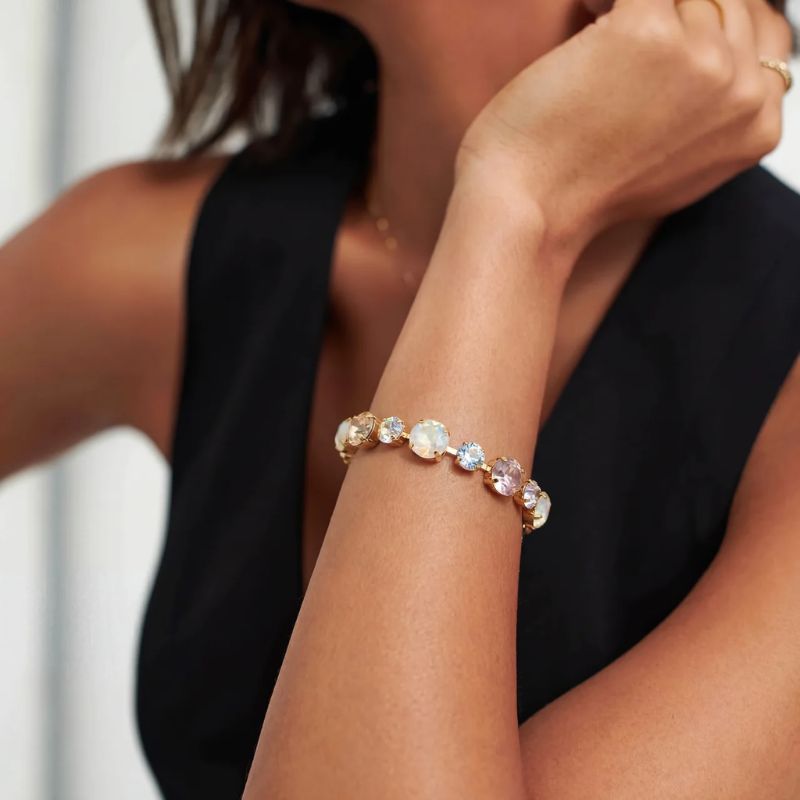
The Radiance Tennis Bracelet
Crystals and waterproofing in one gorgeous package. The PVD coated setting keeps every stone secure and gleaming, rain or shine. Dress it up or keep it casual. Either way, it handles daily life beautifully.
From £34.95
See the Radiance


PVD vs Gold Plated: Care Differences
Not all coatings are alike, and how you care for waterproof jewellery depends partly on what type of coating it has. Here is a straightforward comparison to help you adjust your routine. For an in-depth breakdown, check out our full comparison of PVD vs gold plated jewellery.
| Factor | PVD Coated | Gold Plated | Gold Filled |
|---|---|---|---|
| Water Resistance | Excellent. Molecularly bonded to metal surface. | Limited. Coating sits on top and can wear through. | Very Good. Thick gold layer bonded with heat/pressure. |
| Cleaning Method | Gentle soap + water. Can handle slightly more vigorous cleaning. | Very gentle soap + water only. Avoid any scrubbing. | Gentle soap + water. Soft cloth only. |
| Scratch Resistance | High. 4-5x harder than traditional plating. | Low. Scratches reveal base metal underneath. | Moderate. Thick gold layer provides decent protection. |
| Lifespan with Care | 5-10+ years of daily wear. | 6-12 months with regular wear. | 10-30 years with proper care. |
| Can You Shower In It? | Yes, regularly. | Occasionally, but not recommended daily. | Yes, comfortably. |
| Chemical Sensitivity | Low. Resists most everyday chemicals. | High. Perfume, chlorine and sweat accelerate wear. | Moderate. Avoid harsh chemicals but handles daily exposure. |
The takeaway? If you want jewellery you genuinely never have to think about, PVD coating and gold fill are the way to go. Traditional gold plating has its place for occasional wear pieces, but it requires much more careful handling to maintain its appearance. Understanding what 18k gold plated jewellery actually means helps set the right expectations.
Waterproof jewellery is not about never caring for your pieces. It is about spending less time worrying and more time wearing.
When You Should Remove Your Jewellery
We love the "never take it off" lifestyle. But there are a handful of situations where even the toughest waterproof jewellery benefits from a quick removal.
Hot tubs and spas. The combination of high heat, chemicals and prolonged soaking is tough on any coating. Five minutes in a hot tub is fine. An hour-long spa session? Take your pieces off.
Saltwater for extended periods. A quick dip in the sea is no problem. Spending all day snorkelling in saltwater? Give your jewellery a break and rinse anything you did wear as soon as possible. Salt crystals that dry on metal are surprisingly abrasive.


When using harsh cleaning products. Bleach, oven cleaner, drain unblocker and similar household chemicals are aggressive enough to affect even PVD coatings. Always remove jewellery before cleaning the house.
During contact sports. Not because of water damage, but because of physical damage. A hard knock can dent, bend or scratch even the most durable pieces.
When applying fake tan. This one catches people out. Fake tan contains DHA, which reacts with metal and can cause temporary discolouration. Apply your tan, let it develop fully, shower, and then put your jewellery back on.
The question of whether you can shower with gold plated jewellery depends entirely on the coating quality. With PVD or gold fill, shower away. With standard plating, it is better to play it safe.

Eterna Roma Ring
Chunky, bold and completely waterproof. The Eterna Roma is one of those pieces you put on in the morning and genuinely forget about until someone compliments it. PVD coated for long-lasting colour that does not fade.
From £24.95
Shop the Eterna Roma


Our Top Waterproof Picks
If you are building a waterproof jewellery collection (or just starting one), these are the pieces we reach for every single day. Each one is designed to handle real life without sacrificing style.
The Astrid Name Necklace is the ultimate personal touch piece. Customisable, waterproof and delicate enough to layer with other chains. Most of our customers wear it daily and it still looks brand new months later.
For earrings, the Classic Gold Filled Earrings are unbeatable. Gold fill is one of the most durable materials for jewellery that touches your skin constantly, and these are the proof. Check out our full roundup of the best waterproof earrings in the UK for more options.
The Radiance Tennis Bracelet proves that waterproof jewellery can be just as glamorous as anything in a high-end jewellery case. Those crystals catch the light beautifully, and the PVD coating means you do not have to baby it.
If you are after something that really stands out, the Eterna Roma Ring has that effortlessly cool vibe that works with literally everything. And the Knot Cuff is the kind of accessory that elevates a plain t-shirt into an outfit.
Looking for more affordable options? Our guide to personalised jewellery under 50 has plenty of waterproof picks that will not break the bank.

The Knot Cuff
Sometimes one piece is all you need. The Knot Cuff has that sculptural, modern look that works solo or stacked with the Radiance bracelet. Waterproof, scratch-resistant and satisfyingly weighty on the wrist.
From £34.95
Shop the Knot Cuff


Making Your Pieces Last 10+ Years
Waterproof jewellery is already engineered for longevity. But if you want your pieces to genuinely last a decade or more, these extra steps make a real difference.
Rotate your collection. Even the toughest jewellery benefits from a break. If you have three or four go-to pieces, rotate them throughout the week. This reduces cumulative wear on any single piece and keeps your looks fresh at the same time.
Inspect clasps and closures monthly. Clasps are the first thing to wear on any piece of jewellery. A quick check once a month ensures the mechanism is still working smoothly and catches any issues before they become problems. Tightening a loose lobster clasp takes two seconds. Fishing your favourite necklace out of the gym drain? Not so fun.
Polish gently once a month. A jewellery polishing cloth (the kind that comes in a little pouch) adds a beautiful lustre to waterproof pieces. Do not use silver polishing cloths on gold-tone pieces though. They are treated with different compounds. A plain microfibre cloth works beautifully for regular maintenance.
Avoid storing near windows. UV light gradually affects some coatings and can cause subtle colour shifts over time. It is not dramatic, but keeping your jewellery box away from direct sunlight extends the life of the finish.
Consider the metal underneath. The best waterproof jewellery uses stainless steel as the base metal because even if the coating eventually shows wear after years of daily use, the metal underneath will not tarnish, rust or turn your skin green. This is why we recommend looking for jewellery that picks the best metal for everyday wear as the foundation.
For pieces that also need earring-specific care, our guide on earrings that do not tarnish goes into even more detail on what materials hold up longest.
Care Tips for Every Season
Summer: This is peak exposure season. Sunscreen, saltwater, chlorine, sweat. All of it. Clean your waterproof pieces twice a week during summer months and rinse them after every beach or pool visit. The extra two minutes of care during summer prevents the buildup that most people notice in autumn.
Autumn and Winter: Layering season means your jewellery is rubbing against scarves, coats and jumpers more often. Wool fibres in particular can snag on delicate chains and earring hooks. Be mindful when wrapping up, and consider removing necklaces before pulling on a chunky knit.
Spring: Allergy season means more hand washing and sanitiser use. If you wear rings and bracelets, the alcohol in hand sanitiser can leave a dulling residue over time. A quick rinse at the end of the day sorts this out easily.
Year Round: Moisturiser is your skin's best friend but your jewellery's frenemy. Always let cream or lotion absorb fully before putting on rings, bracelets and necklaces. This single habit prevents more buildup issues than anything else.
Quick Reference Care Guide
| Task | How Often | Time Needed |
|---|---|---|
| Wipe with soft cloth | After every wear | 30 seconds |
| Rinse after water exposure | After swimming/showering | 1 minute |
| Gentle soap wash | Every 1-2 weeks | 5 minutes |
| Polish with microfibre | Monthly | 2 minutes per piece |
| Inspect clasps | Monthly | 1 minute |
| Deep clean (vinegar soak) | Every 2-3 months | 10 minutes |
| Full collection audit | Twice a year | 15 minutes |
Print this out or screenshot it for your bathroom mirror. Having a visual reminder makes it so much easier to stay on top of your jewellery care routine. Once it becomes a habit, you will not even think about it.
Frequently Asked Questions
Can I wear waterproof jewellery in the shower every day?
Yes, high quality waterproof jewellery (PVD coated or gold filled) is designed to handle daily showers. Just rinse off soap residue and pat dry afterwards. Avoid letting shampoo or conditioner sit on your pieces for extended periods, as some formulas contain sulphates that can leave a film over time.
Will waterproof jewellery turn my skin green?
Genuine waterproof jewellery with PVD coating over stainless steel will not turn your skin green. Skin discolouration typically happens with copper-based jewellery or very thin plating that wears through quickly. If you want to avoid this entirely, look for pieces with a stainless steel base metal.
How long does waterproof jewellery actually last?
With proper care, PVD coated jewellery typically lasts 5 to 10+ years of daily wear. Gold filled pieces can last even longer, often 10 to 30 years. Standard gold plated jewellery, by comparison, usually lasts 6 to 12 months with regular use. The coating method makes all the difference.
Can I use an ultrasonic cleaner on waterproof jewellery?
We would not recommend it. Ultrasonic cleaners use high-frequency vibrations that can stress coating bonds over time, especially around settings and detailed areas. The gentle soap and water method is safer and just as effective. Your pieces do not need intense cleaning methods to stay beautiful.
Is it safe to swim in the sea with waterproof jewellery?
For short swims, absolutely. Rinse your jewellery in fresh water afterwards to remove salt deposits. For prolonged ocean activities like snorkelling or surfing sessions, we recommend removing your pieces. Saltwater combined with sand can be abrasive, and prevention is always better than repair.
What is the difference between waterproof and water-resistant jewellery?
Water-resistant means the jewellery can handle occasional light moisture but is not designed for submersion. Waterproof jewellery (with PVD coating or gold fill) is engineered to handle regular water exposure, including showers, swimming and sweat, without degrading. Always check the specific coating or material to understand what your pieces can handle.
Jewellery That Works as Hard as You
Every Moonela piece is designed to handle real life. Shower-safe, sweat-proof and built to last. Because your jewellery should keep up with you, not the other way around.
Shop Waterproof JewelleryFree UK delivery · Quality guarantee · Browse the full collection