How to Clean Stainless Steel Jewellery UK 2026: Step by Step

How to Clean Stainless Steel
Jewellery: Step by Step
Everything you need to know about keeping your stainless steel pieces looking brand new, without spending a fortune or wasting your afternoon. Stainless steel is one of the most forgiving jewellery materials on the market. It resists rust, tolerates chlorine and seawater far better than sterling silver, and survives sweat, hand-washing and daily handling without dulling or tarnishing the way plated alloys do. That is the good news. The less good news is that stainless steel jewellery still picks up fingerprint oil, moisturiser residue, sunscreen, body lotion and the occasional deodorant streak. Those slowly build into a dull film that mutes the mirror finish and hides the colour depth of any gold coating on top. Most of our stainless steel bracelets are 316L surgical-grade with an 18k PVD gold coating, which is the specific construction that handles daily wear without the finish breaking down. The cleaning technique you use should match the finish: abrasives that look safe on bare steel will strip a PVD gold layer in seconds, which is why a "clean everything the same way" approach is the fastest way to ruin a piece.
Does Stainless Steel Jewellery Actually Need Cleaning?
Short answer: yes, but far less often than you might think. Stainless steel is one of the lowest-maintenance metals you can wear.
Let us start with the good news. If you have been wearing sterling silver or gold-plated jewellery for years, switching to stainless steel feels like a holiday. There is no frantic polishing before a night out, no green marks on your skin, and no watching your favourite bracelet slowly lose its colour in the shower.
That said, stainless steel is not completely self-cleaning (wouldn't that be lovely). Over time, everyday things like moisturiser, perfume, sweat, and general dust can build up on the surface. You might notice your pieces looking a little less lustrous than the day they arrived. That is completely normal and very easy to fix.
The reason stainless steel holds up so well comes down to its composition. At Moonela, we use surgical-grade 316L stainless steel, the same alloy used in medical instruments, high-end watches, and marine equipment. It contains chromium, which reacts with oxygen to form an invisible protective layer on the surface. This chromium oxide barrier is what makes it resistant to rust, corrosion, and tarnishing.
So while other metals are busy reacting to moisture, air, and the chemicals in your skincare routine, stainless steel just sits there looking unbothered. But a quick clean every now and then keeps that protective layer working at its best and ensures your jewellery catches the light the way it should.
The Five-Minute Clean
This is the only routine most people will ever need. It works for rings, bracelets, necklaces, earrings, and anklets.
Nothing fancy. A small bowl, warm water, a drop of mild washing-up liquid, and a soft lint-free cloth. That is genuinely it. No special solutions, no expensive polishing kits, no trips to the jeweller.
Fill a small bowl with warm (not hot) water and add a tiny drop of mild soap. Something gentle like Fairy Liquid works perfectly. Place your jewellery in the bowl and let it sit for two to three minutes. This loosens any oils, lotions, or grime that have settled into the links or details of your piece.


Using your fingers or a very soft cloth, gently rub the surface of each piece. For chains with smaller links or textured designs, a soft-bristled toothbrush (a baby toothbrush is ideal) can help reach into the tiny gaps. Be gentle here. There is no need for pressure. You are just encouraging the buildup to let go.
Hold each piece under clean lukewarm running water to wash away any soap residue. Make sure the water runs clear. Leftover soap can leave a film that dulls the shine, which is the opposite of what we want.
Pat your jewellery dry with a clean, soft cloth. A microfibre cloth is perfect, but any lint-free fabric will do. Avoid leaving pieces to air dry on their own, as water spots can form, especially in hard water areas. A quick pat-down takes ten seconds and keeps that mirror finish looking sharp.
Once dry, give each piece a light buff with the dry side of your cloth. Gentle circular motions work best. This step is optional, but it brings back that just-unboxed gleam that made you fall in love with the piece in the first place.

The Knot Cuff
A sculptural statement piece with a polished finish that responds beautifully to a simple warm-water clean. The smooth surface means there are no hidden crevices for buildup to hide in.

Deep Cleaning for Stubborn Buildup
For pieces that have been sitting in a drawer for months, or jewellery that has seen a lot of sunscreen and sea salt, sometimes you need a little extra.
Mix a small amount of baking soda with a few drops of water to create a thick paste (think toothpaste consistency). Apply the paste to your jewellery with a soft cloth or your fingertip, rubbing gently in small circular motions. Let it sit for one to two minutes, then rinse thoroughly under warm water and dry with a clean cloth.
Baking soda is mildly abrasive, just enough to lift stubborn residue without scratching the surface. It is also brilliant for restoring shine to pieces that have gone a bit dull from prolonged exposure to cosmetics or chlorine.


If you own an ultrasonic jewellery cleaner (they are surprisingly affordable these days), stainless steel is perfectly safe to pop in. The high-frequency vibrations do an excellent job of shaking loose anything trapped in chain links, clasps, or engraved details. Just use plain water or the solution recommended by the manufacturer.
This bit is important. Stainless steel is tough, but it is not invincible. Avoid the following:
These can damage the chromium oxide layer that protects the steel, leaving it vulnerable to discolouration.
Steel wool, Brillo pads, and rough sponges will scratch the polished surface. Once scratched, the finish is difficult to restore.
Acetone, nail polish remover, and industrial degreasers are far too aggressive. They can strip coatings and dull the metal.
Regular toothpaste is fine in a pinch, but whitening formulas contain micro-abrasives that can leave fine scratches on polished steel.


Double Knot Herringbone Bracelet
The herringbone weave lies beautifully flat against the wrist and is remarkably easy to keep clean. A soft cloth along the chain direction is all it takes.


Does Stainless Steel Tarnish?
Technically, no. But there is a little more to it than that.
True tarnishing is a chemical reaction where a metal reacts with sulphur or oxygen in the air, forming a dark layer on the surface. Sterling silver is the classic example. Leave a silver ring in a drawer for six months and you will come back to something that looks like it has been buried underground.


Stainless steel does not do this. The chromium content (at least 10.5% in all stainless steel, higher in the 316L grade we use) forms that self-healing oxide layer we mentioned earlier. It literally repairs itself when exposed to oxygen. That is why surgeons trust it inside the human body and why it thrives in saltwater environments.
However, stainless steel can lose some of its lustre over time. This is not tarnishing in the traditional sense. It is usually a combination of surface oils, micro-scratches from daily wear, and residue from products like hand cream, perfume, or sunscreen. The metal underneath is perfectly fine. It just needs a clean.
The difference between stainless steel "dulling" and silver tarnishing is important. Dulling is surface-level and takes seconds to fix with a wipe. Tarnishing is a chemical change that requires dedicated polishing compounds and genuine effort to reverse. If you have ever spent twenty minutes attacking a silver necklace with a polishing cloth, you will appreciate the difference.
A few simple habits will keep your stainless steel looking freshly polished:
Apply perfume and moisturiser before putting on your jewellery, giving products a moment to absorb. Wipe your pieces with a soft cloth after wearing them, especially on hot days or after exercise. Store them in a lined jewellery box or pouch rather than loose in a drawer where they can pick up dust and rub against other items. And if you are heading to the beach, rinse your jewellery in fresh water afterwards to clear away any salt residue.
For more detail on long-term care, our guide to caring for waterproof jewellery covers everything you need to know.
Stainless Steel vs Other Metals
Here is an honest side-by-side look at how stainless steel stacks up against the most common jewellery metals when it comes to everyday care.
| Factor | 316L Stainless Steel | Sterling Silver | Gold Plated |
|---|---|---|---|
| Cleaning Frequency | Once a week (quick wipe) | Every few days + monthly polish | After every wear |
| Tarnish Risk | None | High (reacts to air and moisture) | Moderate (plating wears away) |
| Water Safe | Yes, fully waterproof | No (accelerates tarnishing) | No (damages plating) |
| Effort Level | Minimal | High | Moderate to high |
| Shower Safe | Yes | Not recommended | Not recommended |
| Lifespan of Finish | Years (with PVD coating) | Needs regular re-polishing | 6 to 12 months typically |
For a deeper dive into the stainless steel and silver comparison, check out our guide on stainless steel vs sterling silver jewellery.

The Aurora Cuff
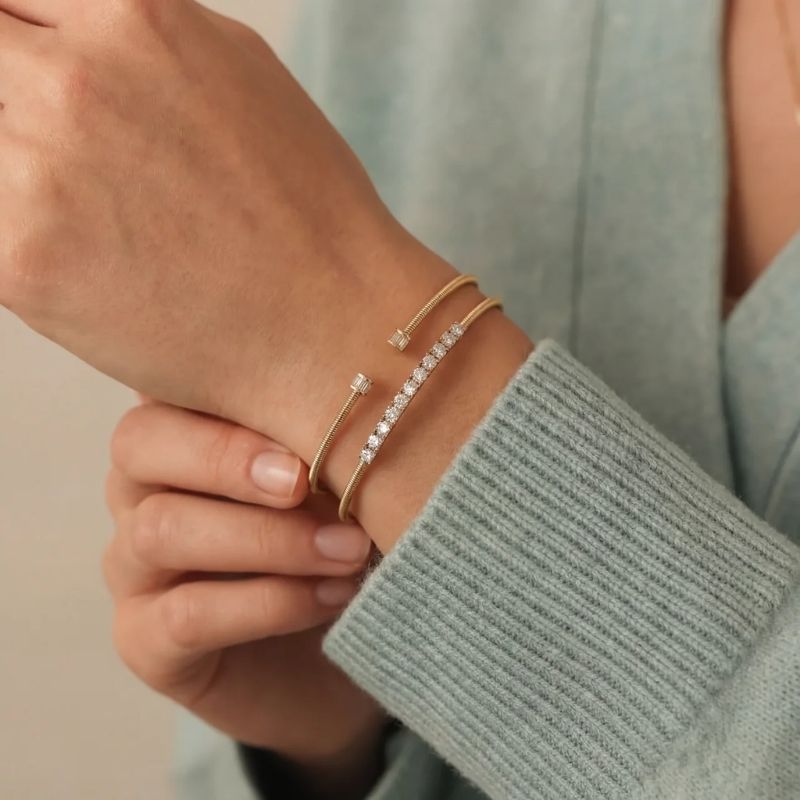
A sleek, minimalist cuff that proves high quality does not have to mean high maintenance. The brushed gold PVD finish actually hides minor wear better than polished surfaces.

Looking for jewellery that does not need constant attention? Our entire collection is built from surgical-grade stainless steel with PVD gold coating.
Browse All PiecesIs Stainless Steel Jewellery Good Quality?
This is probably the most common question we get, and we completely understand why people ask it.
There is a lingering perception that stainless steel is a "budget" metal, something you settle for when you cannot afford gold. We think that narrative is long overdue for retirement. Here is why.
316L stainless steel is medical grade. It is the exact same alloy used in surgical instruments, orthopaedic implants, and marine-grade hardware. Rolex uses 904L stainless steel (a close cousin) for their watch cases. It was chosen not because it was cheap, but because nothing else could match its combination of strength, corrosion resistance, and lasting beauty.
In jewellery terms, stainless steel offers something genuinely rare: a metal that looks premium, feels substantial on the skin, and does not degrade with daily wear. It is hypoallergenic, meaning it will not irritate sensitive skin or cause allergic reactions. It is completely nickel-safe in its 316L form. It does not rust, tarnish, or discolour when exposed to water, sweat, or cosmetics.
Compare that to traditional gold plating, where the base metal is often brass or copper covered with a microscopically thin layer of gold that begins wearing away within months. Or sterling silver, which looks stunning in a shop display but demands constant maintenance the moment it meets real life. If you want to learn more about gold plating, our guide on what 18k gold plated jewellery actually means is a useful read.
When we pair 316L stainless steel with PVD gold coating, the result is a piece that has the warmth and richness of solid gold at a fraction of the price, with durability that gold simply cannot match. PVD coating is two to three times harder than the gold it replicates. It bonds to the steel at a molecular level rather than sitting on top like traditional plating.
So is stainless steel jewellery good quality? We would argue it is one of the best-quality options available in modern jewellery, especially for people who actually want to wear their pieces every day, in every situation, without worrying about damage.

The Sleek Slider Bracelet
An adjustable everyday piece that slides to fit any wrist perfectly. The smooth slider mechanism means no clasps to fiddle with and nothing for grime to hide behind.


Jewellery should work as hard as you do. Wear it in the rain, the gym, the ocean. If it cannot keep up with your life, it does not deserve to be on your wrist.
Frequently Asked
Can I clean stainless steel jewellery with just water?
Yes. For a quick refresh, warm water and a soft cloth are perfectly fine. Adding a tiny drop of mild soap helps cut through oils and lotions, but water alone will handle light dust and surface grime. Just make sure to dry your pieces thoroughly afterwards.
Does stainless steel jewellery tarnish or go black?
No. Unlike sterling silver, stainless steel does not chemically tarnish. It can lose a little lustre from surface buildup (oils, creams, dust), but this wipes away in seconds. The metal itself will not change colour, corrode, or develop dark patches.
Is stainless steel jewellery good quality compared to gold?
316L surgical-grade stainless steel is one of the most durable metals used in jewellery. It is the same alloy found in Rolex watch cases and medical implants. When paired with PVD gold coating, it offers the look of solid gold with significantly better scratch and corrosion resistance at a fraction of the cost.
Can I wear stainless steel jewellery in the shower?
Absolutely. Stainless steel is fully waterproof and will not react to shower water, soap, or shampoo. We recommend giving your pieces a quick dry afterwards (mainly to avoid water spots in hard water areas), but the metal itself is completely unaffected.
Can I swim in the sea with stainless steel jewellery?
Yes. 316L stainless steel is used in marine equipment precisely because of its resistance to saltwater corrosion. Just give your jewellery a quick rinse in fresh water after your swim to clear away any salt residue. For our full guide on wearing jewellery at the beach, see our best waterproof earrings UK article.
How often should I clean my stainless steel jewellery?
For daily-wear pieces, a quick wipe with a soft cloth after each wear and a five-minute soap-and-water clean once a week is plenty. Pieces you wear less often just need a wipe before and after wearing. Stainless steel is genuinely one of the lowest-maintenance jewellery metals available.
Jewellery That Takes Care of Itself
Every Moonela piece is crafted from surgical-grade 316L stainless steel with 18k PVD gold coating. Waterproof, sweatproof, and built for a lifetime of daily wear. No polishing. No babying. Just beautiful jewellery that keeps up with/collections/personalised-jewelleryf="/collections/all" class="btn-gold">Shop All Pieces
Free UK shipping · 30-day returns · Lifetime colour guarantee
Keep Learning
Dive deeper into jewellery care, materials, and styling with these guides from the Moonela journal.
Stainless Steel vs Sterling Silver Jewellery
How to Care for Waterproof Jewellery
PVD Coating in Jewellery: What It Is and Why It Matters
What Is 18k Gold Plated Jewellery?
Best Waterproof Earrings UK