Hypoallergenic Jewellery UK 2026: Sensitive Skin Guide

Hypoallergenic Jewellery UK
Everything you need to know about wearing beautiful jewellery without the redness, itching, or irritation. Because your skin deserves better.
- What "Hypoallergenic" Actually Means
- Why Your Skin Reacts to Certain Metals
- Metals to Avoid If You Have Sensitive Skin
- The Safest Metals for Hypoallergenic Jewellery
- PVD Coating: The Game-Changer for Sensitive Skin
- Our Top Hypoallergenic Picks
- Caring for Your Hypoallergenic Jewellery
- Frequently Asked Questions
What "Hypoallergenic" Actually Means
If you have ever taken off a pair of earrings and found your lobes red, swollen, or itchy, you already know the frustration. Finding hypoallergenic jewellery in the UK should be simple. But the term "hypoallergenic" gets thrown around so loosely that it has lost most of its meaning. There is no legal definition. No regulated standard. Any brand can slap the word on a product without proving a thing. So let us break down what it really means and what you should actually look for when shopping for jewellery that will not irritate your skin.
At its core, hypoallergenic means "less likely to cause an allergic reaction." That is it. Not "guaranteed to never cause a reaction." Not "certified safe for all skin types." Just less likely. The prefix "hypo" comes from the Greek word for "under" or "less than." So when a jewellery brand calls something hypoallergenic, they are saying it is less likely to trigger a response than conventional options. The question, of course, is whether that claim holds up.
For most people with sensitive skin, the real enemy is nickel. Nickel allergy affects roughly 10 to 15 percent of the UK population, and it is the single most common cause of contact dermatitis from jewellery. When your skin touches a nickel-containing metal and moisture gets involved (think sweat, rain, or a shower), tiny nickel ions leach out and penetrate the top layer of your skin. Your immune system flags them as invaders, and the result is redness, itching, blistering, or a rash that can last for days.
The good news? Once you understand which metals contain nickel and which do not, finding genuinely safe jewellery becomes straightforward. And that is exactly what this guide is for.
Why Your Skin Reacts to Certain Metals
Jewellery allergies are not random. They follow a very specific pattern, and once you understand that pattern, you can avoid reactions almost entirely.
When your skin has a reaction to jewellery, it is called allergic contact dermatitis. It is a type IV hypersensitivity reaction, which means it is delayed. You might put on a ring in the morning and not notice anything until the evening or even the next day. This is different from an immediate allergic reaction (like a food allergy) and it is why so many people struggle to pinpoint which piece of jewellery caused the problem.


The first time your skin comes into contact with nickel, you might not react at all. But your immune system quietly takes note. It sensitises itself. Then, the next time (or the tenth time, or the hundredth time) you wear that same piece, your body launches a full inflammatory response. The redness, swelling, and itching are your immune system fighting what it perceives as a threat.
Here is the part most people do not realise: once you develop a nickel sensitivity, it is permanent. There is no way to "un-sensitise" your skin. You can only manage it by avoiding the trigger. That makes choosing the right metals absolutely critical.
Several things can accelerate nickel leaching and make reactions worse:
Sweat and moisture are the biggest culprits. Sweat is slightly acidic, and that acidity speeds up the corrosion process that releases nickel ions. This is why earrings that seem fine during winter suddenly cause problems in summer, or why a ring you wear to the gym irritates you more than one you wear to the office.
Friction also plays a role. Areas where jewellery rubs against your skin (watch straps, the backs of earring posts, the underside of rings) tend to react first. The friction breaks down the surface layer of the metal faster, exposing fresh nickel underneath.
And then there is plating wear. Many affordable jewellery pieces use a base metal coated in gold or rhodium plating. When that plating wears off (and it always does, usually within a few months), the nickel-containing base metal underneath starts touching your skin directly. That is when the trouble starts. This is a major reason why PVD coating outperforms traditional gold plating for sensitive skin.

Your skin is not being difficult. It is telling you something. The right metal changes everything.
Metals to Avoid If You Have Sensitive Skin
Not every shiny metal is your friend. Here is a clear breakdown of the metals that cause the most problems for people with sensitive skin in the UK.
| Metal | Risk Level | Why It Is a Problem |
|---|---|---|
| Nickel | Very High | The number one allergen. Found in most cheap jewellery, many white gold alloys, and some stainless steel grades. |
| Brass | High | A copper-zinc alloy that often contains nickel. Tarnishes quickly and can turn skin green. |
| Copper | Moderate | Not a common allergen on its own, but reacts with sweat to create green discolouration. Read more about why jewellery turns skin green and how to fix it. |
| Zinc alloys | High | Often used in costume jewellery. Frequently mixed with nickel. |
| White gold (some) | Moderate | Traditional white gold alloys use nickel to achieve the white colour. Palladium white gold is the safer alternative. |
The tricky part is that many of these metals hide inside jewellery that looks perfectly fine on the surface. A gold-plated necklace might have a brass or zinc alloy core. A pair of "silver" earrings from a market stall might be mostly nickel. Even some pieces labelled as "stainless steel" use a grade (like 304) that contains 8 to 10 percent nickel.
This is why looking at the base metal matters more than looking at the surface finish. Plating wears off. The base metal is what touches your skin long-term. And that is where you should focus your attention.
The Safest Metals for Hypoallergenic Jewellery in the UK
Now for the part you have been waiting for. These are the metals that consistently perform well for people with sensitive skin. Each has its own strengths, and the right choice depends on your budget, your style, and how reactive your skin tends to be.
This is the gold standard (pun intended) for affordable hypoallergenic jewellery. 316L stainless steel, also known as surgical steel, contains chromium and molybdenum, which create a protective oxide layer on the surface. This layer prevents nickel from leaching out, even though the alloy technically contains a small percentage of nickel. For the vast majority of people with nickel sensitivity, 316L stainless steel causes zero issues. It is also incredibly durable, resistant to tarnishing, and affordable. If you want to understand how it compares to other popular metals, read our full stainless steel vs sterling silver comparison.
Titanium is truly nickel-free and is used in medical implants for exactly that reason. It is lightweight, strong, and completely biocompatible. The downside? It is harder to work with, which means titanium jewellery tends to be more expensive and less varied in design. You will find plenty of titanium earring posts and simple bands, but intricate designs are rare.


Pure gold (24K) is hypoallergenic, but it is too soft for everyday jewellery. 14K and 18K gold mix pure gold with other metals for durability. The key is what those other metals are. If you want to understand karat markings better, check out our guide on what 18K gold plated jewellery actually means. Yellow gold alloys typically use copper and silver (both relatively safe). White gold alloys sometimes use nickel (avoid) or palladium (safe). Always ask which alloy is used.
Gold-filled jewellery has a thick layer of solid gold bonded to a base metal core. It is legally required to contain at least 5% gold by weight, which is 50 to 100 times thicker than standard gold plating. Because the gold layer is so thick, the base metal underneath never touches your skin. Gold-filled pieces typically last 10 to 30 years before showing any wear. It is one of the best options for sensitive skin on a budget.
Sterling silver (92.5% pure silver, 7.5% other metals) is generally safe for most people. But that 7.5% can sometimes include trace amounts of nickel. If you are extremely sensitive, look for sterling silver that specifically states "nickel-free." Tarnishing can also be an issue, though regular cleaning keeps it under control. Our guide on earrings that do not tarnish covers this in detail.
PVD Coating: The Game-Changer for Sensitive Skin
If you have been searching for hypoallergenic jewellery in the UK that looks like real gold but will not break the bank or irritate your skin, PVD-coated stainless steel is almost certainly what you are looking for.
PVD stands for Physical Vapour Deposition. Instead of dipping metal into a liquid gold solution (like traditional plating), PVD uses a high-vacuum chamber to bond a thin layer of material directly to the surface at a molecular level. The result is a coating that is dramatically harder and more durable than standard plating. We have written a full deep dive on how PVD coating works if you want the full technical breakdown.
Why PVD Wins for Sensitive Skin
Traditional gold plating is typically 0.5 to 2.5 microns thick. PVD coating is usually only 0.5 to 5 microns, but the difference is in the bonding. PVD creates a molecular bond with the base metal that is vastly stronger than the electrochemical bond used in plating. The coating does not peel, flake, or rub off in the same way.
For sensitive skin, this matters enormously. The reason plated jewellery triggers reactions is that the plating wears through, exposing the base metal underneath. With PVD, that protective barrier stays intact for years, not months. Your skin never touches the base metal. And because the base metal is typically 316L stainless steel (already hypoallergenic on its own), even if some wear eventually occurs, you are still protected.
PVD-coated jewellery is also waterproof. You can shower with it, swim with it, sweat in it. The coating will not degrade. This is a huge advantage for anyone who wants to wear their jewellery every single day without worrying about it. If durability matters to you, our guide on caring for waterproof jewellery covers everything you need to know.
The best jewellery for sensitive skin is the kind you forget you are wearing. No redness. No itching. Just you.
Our Top Hypoallergenic Picks
Every piece in the Moonela collection is made with either PVD-coated stainless steel or gold-filled materials. That means every single item is suitable for sensitive skin. But here are five standout pieces that our customers with reactive skin love the most.
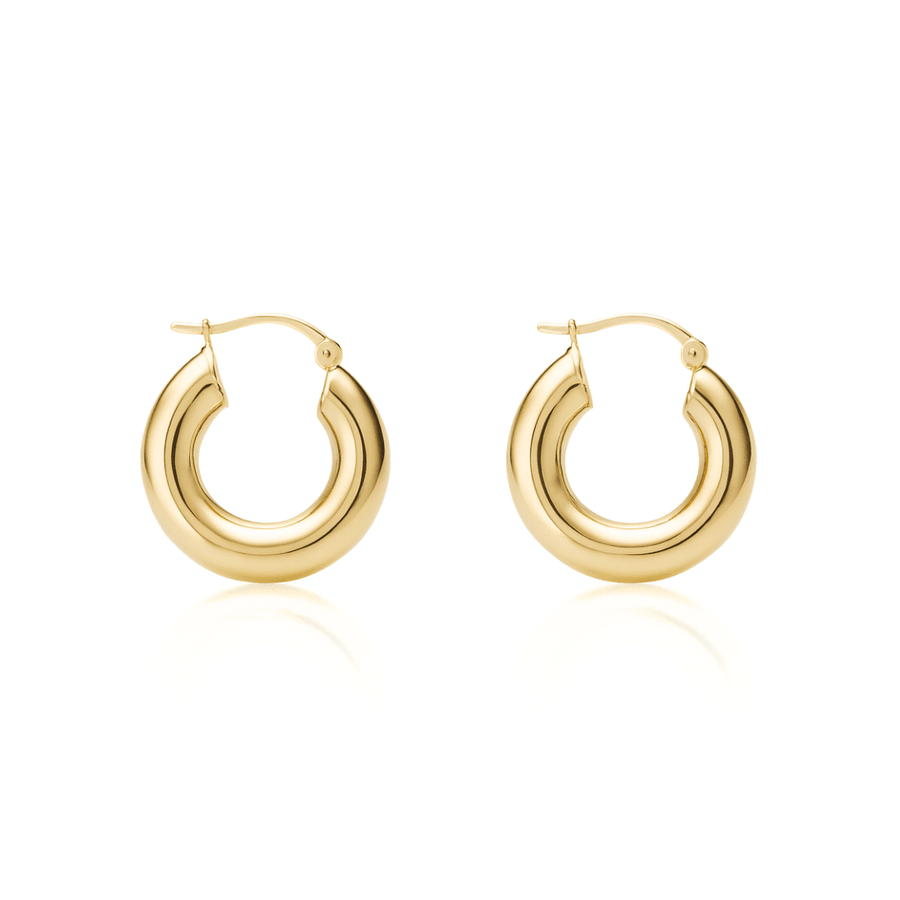
Classic Gold-Filled Earrings
These are the earrings you reach for every single morning. Made with genuine gold-filled material, the thick gold layer means your sensitive lobes stay completely happy. They are lightweight enough for all-day wear and elegant enough for an evening out.


Astrid Name Necklace
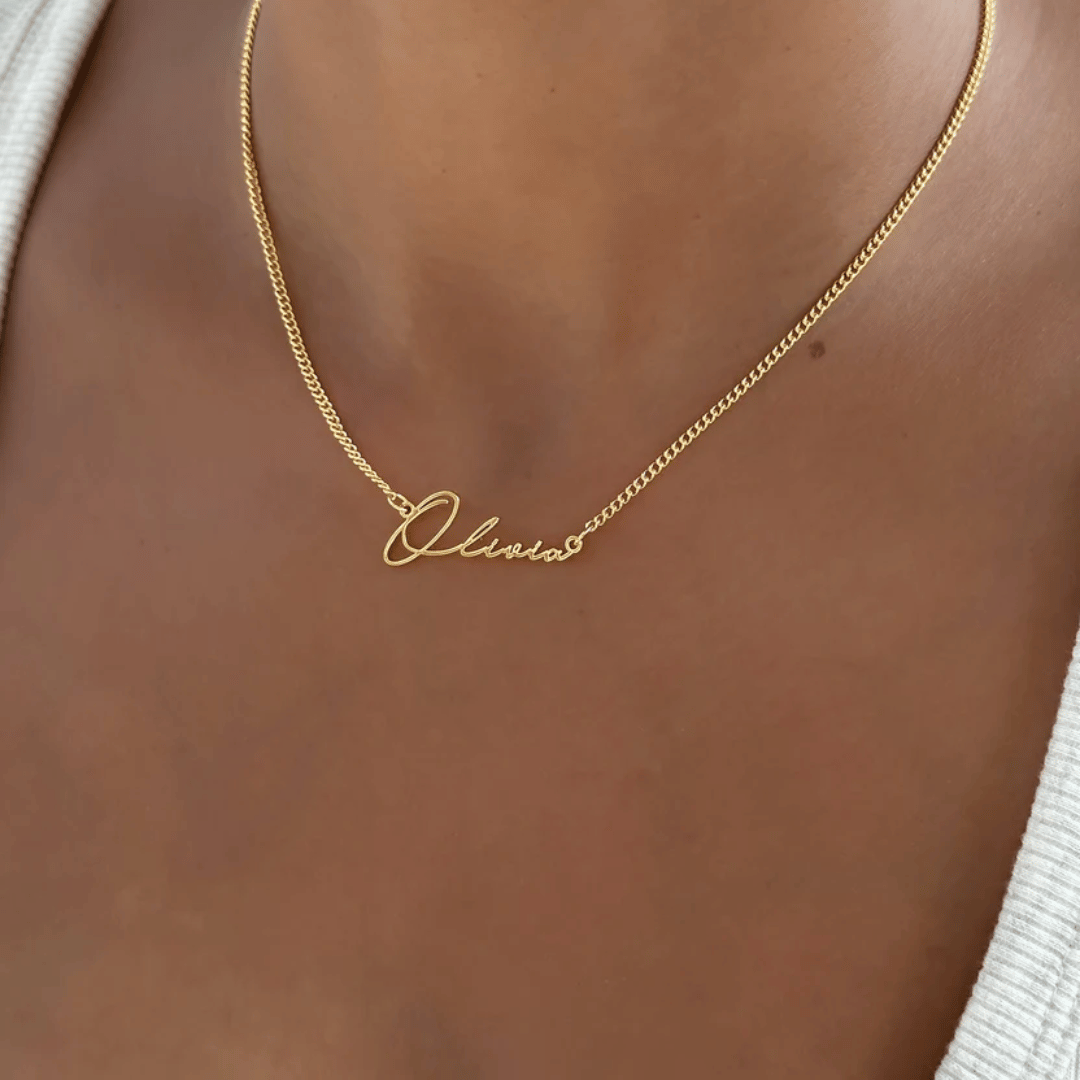
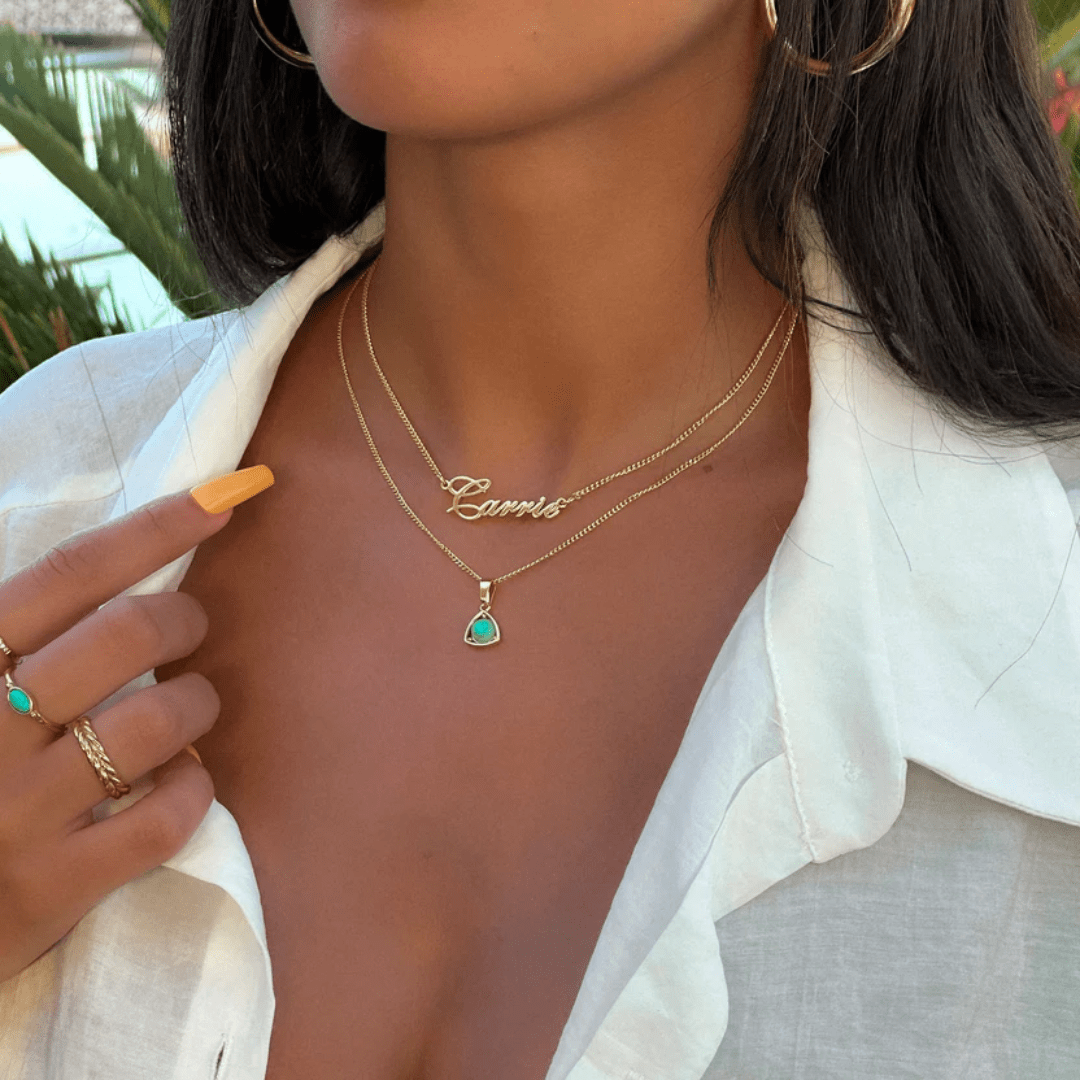
A personalised necklace that will not leave a rash around your neck. The Astrid is made on a PVD-coated stainless steel chain with a custom nameplate that sits beautifully on the collarbone. If you are looking for a meaningful gift for someone with sensitive skin, this is it. Check out our full name necklace guide for styling tips.


Eterna Roma
A sleek, minimal ring in PVD-coated stainless steel that you genuinely never have to take off. Shower with it. Sleep in it. Work out in it. The Eterna Roma will not tarnish, will not trigger a reaction, and will not lose its colour. It stacks beautifully too. If you want ideas, see our guide on how to stack rings.


The Radiance Tennis Bracelet
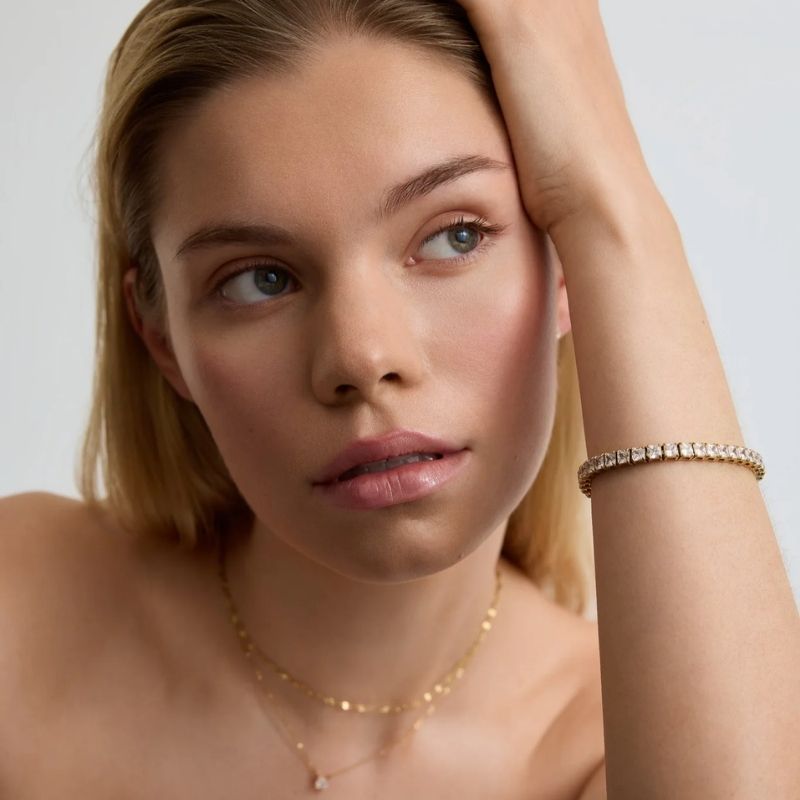
Tennis bracelets sit tight against your wrist, which means maximum skin contact. That is exactly why the metal matters so much. The Radiance is crafted in PVD-coated stainless steel with sparkling cubic zirconia stones. It looks like a piece worth hundreds but will not cost your skin a thing.


Nala Pearl Earrings
Pearl earrings are a timeless classic, but they are notorious for causing reactions because cheap versions use nickel-heavy posts. The Nala Pearl Earrings solve that entirely with PVD-coated stainless steel posts and settings. The freshwater pearls add a sophisticated, feminine touch that works with everything from jeans to a cocktail dress. Perfect for layering with other pieces.


Caring for Your Hypoallergenic Jewellery
Even the best hypoallergenic jewellery benefits from proper care. These simple habits will keep your pieces looking brilliant and your skin reaction-free for years.
Wipe your jewellery after wearing it. A soft microfibre cloth removes sweat, oils, and product residue that can build up over time. This is especially important for rings and bracelets that sit close to your skin. Ten seconds of wiping at the end of the day makes a noticeable difference over months.
Apply beauty products first. Perfume, moisturiser, sunscreen, and hairspray can all create a film on your jewellery. Put them on, let them dry, then put on your jewellery. This keeps the metal surface clean and reduces the chance of any skin reaction caused by trapped product residue rather than the metal itself.


Warm water and a tiny drop of mild soap. That is genuinely all you need. Soak the piece for a minute or two, gently rub with your fingers or a soft cloth, rinse, and pat dry. Avoid abrasive cleaners, toothpaste (a common but bad recommendation), and ultrasonic cleaners, all of which can damage the PVD coating over time. For a thorough walkthrough, see our guide on how to clean stainless steel jewellery.
Store each piece separately. Metal-on-metal contact causes micro-scratches that can eventually wear through coatings. A simple jewellery box with individual compartments works perfectly. Avoid storing jewellery in the bathroom, where humidity accelerates tarnishing on non-waterproof pieces.
Gold-filled jewellery lasts 10 to 30 years with care. PVD-coated pieces typically last 2 to 5 years of daily wear before the coating starts to thin. Standard gold plating? A few months at best. If you start noticing discolouration or your skin begins reacting to a piece that was previously fine, it is time for a replacement. Understanding the best metal for everyday wear will help you make choices that last.
Great jewellery should make you feel beautiful, never uncomfortable. If it hurts, it is not the right metal.
Hypoallergenic Jewellery on a Budget
One of the biggest myths about hypoallergenic jewellery is that it has to be expensive. Solid gold and titanium can certainly push your budget, but there are brilliant options that cost less than a dinner out.
PVD-coated stainless steel is your best friend here. It gives you the look of gold, the safety of a hypoallergenic base metal, and waterproof durability, all for prices that typically fall between 20 and 60 pounds. That is a fraction of what you would pay for solid gold, with almost identical wearability for sensitive skin.
Gold-filled is your next best option. It costs more than PVD-coated steel but less than solid gold, and the thick gold layer means it will not wear through for a decade or more. For earrings especially (where the post goes through your piercing), gold-filled is an outstanding choice.
If you are shopping for gifts, our roundup of personalised jewellery under 50 pounds is a great starting point. And for earrings specifically, our best waterproof earrings guide features only pieces that are safe for sensitive ears.
| Budget | Best Option | Expected Lifespan |
|---|---|---|
| Under £30 | PVD-coated stainless steel earrings and rings | 2 to 5 years daily wear |
| £30 to £60 | Gold-filled earrings, PVD-coated bracelets and necklaces | 5 to 15 years |
| £60 to £150 | Gold-filled necklaces, titanium pieces | 10 to 30 years |
| £150+ | Solid 14K or 18K gold | Lifetime with care |
The bottom line? You do not need to spend a fortune to find jewellery that is safe for sensitive skin. You just need to know what to look for. And now you do.
Frequently Asked Questions
Is stainless steel hypoallergenic?
Yes, 316L stainless steel (also called surgical steel) is considered hypoallergenic. While it does contain a small percentage of nickel, the chromium oxide layer on the surface prevents nickel from leaching out. The vast majority of people with nickel sensitivity can wear 316L stainless steel without any issues. Lower grades (like 304 stainless steel) are less reliable and should be avoided if you have sensitive skin.
What is the best metal for sensitive ears?
For earrings specifically, gold-filled and PVD-coated stainless steel are the top two choices. Gold-filled earrings have a thick solid gold layer that your piercing sits against, making reactions extremely unlikely. PVD-coated posts provide a molecular-level barrier between the metal and your skin. Both are significantly safer than standard gold-plated earrings, where the thin plating wears through quickly right at the point where the post enters your ear.
Can you be allergic to gold jewellery?
Allergies to pure gold are extremely rare but not impossible. More commonly, people react to the other metals mixed into the gold alloy. 14K gold is only 58.3% gold, and 9K gold is only 37.5% gold. The remaining percentage is made up of metals like copper, silver, zinc, and sometimes nickel. If you react to gold jewellery, the culprit is almost certainly the alloy metals, not the gold itself. Ask the jeweller which alloy they use and avoid anything containing nickel.
How long does PVD coating last on jewellery?
With daily wear, PVD coating typically lasts 2 to 5 years before showing any signs of wear. With occasional wear and proper care, it can last much longer. This is dramatically better than standard gold plating, which usually degrades within 3 to 12 months of regular use. The PVD process bonds the coating at a molecular level, making it far more resistant to scratching, sweat, and water exposure.
Is sterling silver safe for sensitive skin?
Sterling silver (925) is safe for most people, but not all. It is 92.5% pure silver and 7.5% other metals, which can occasionally include trace nickel. If you have a severe nickel allergy, look for sterling silver that is specifically labelled "nickel-free." Also keep in mind that sterling silver tarnishes, and the tarnish layer itself can sometimes cause mild skin irritation even in people without metal allergies. Regular cleaning prevents this.
Where can I buy hypoallergenic jewellery in the UK?
Look for brands that clearly state the base metal and coating method for every piece. Avoid vague descriptions like "gold jewellery" or "premium metal" without specifics. Moonela, for example, uses either PVD-coated 316L stainless steel or gold-filled materials across the entire collection, and every product page states exactly what the piece is made from. Free UK delivery and a straightforward returns policy also help, so you can try pieces risk-free.
Shop Hypoallergenic Jewellery
Every piece in the Moonela collection is made for sensitive skin. PVD-coated stainless steel and gold-filled materials only. No nickel reactions. No green marks. Just beautiful jewellery you can actually wear.
Explore the CollectionFree UK delivery · Hassle-free returns · Personalisation available